Thinking about a 55+ move in Dade City but not sure where to start? You want a simpler lifestyle, friendly neighbors, and costs you can understand. This guide shows you the main living options, how fees work, what to ask on tours, and the key trade-offs in our part of Pasco County. Let’s dive in.
Why Dade City appeals to 55+ buyers
Dade City offers small-town charm with access to the greater Tampa Bay region. You get mild winters, hot and humid summers, and a slower pace than the city. Many residents drive to nearby areas in Pasco or Tampa Bay for hospitals, specialty care, and major shopping. Plan for hurricane season and evaluate wind and flood risk for any Florida property you consider.
Common 55+ options in Dade City
Deeded single-family and villa communities
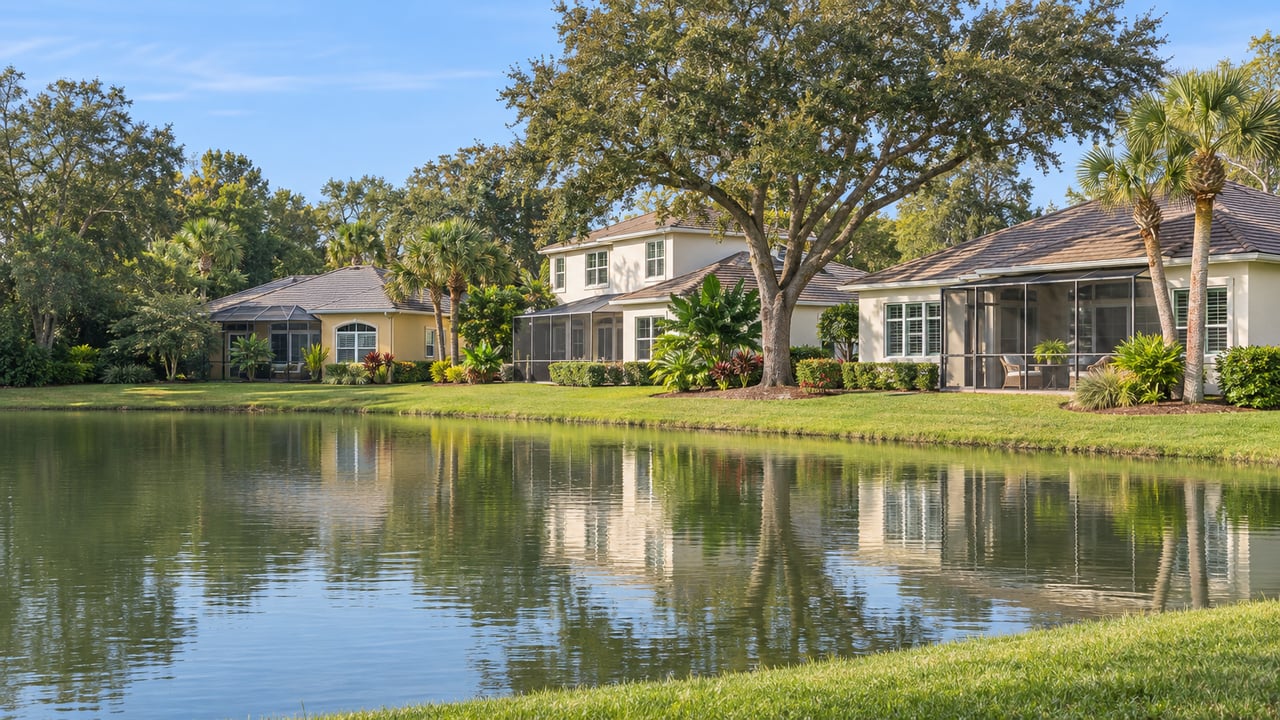
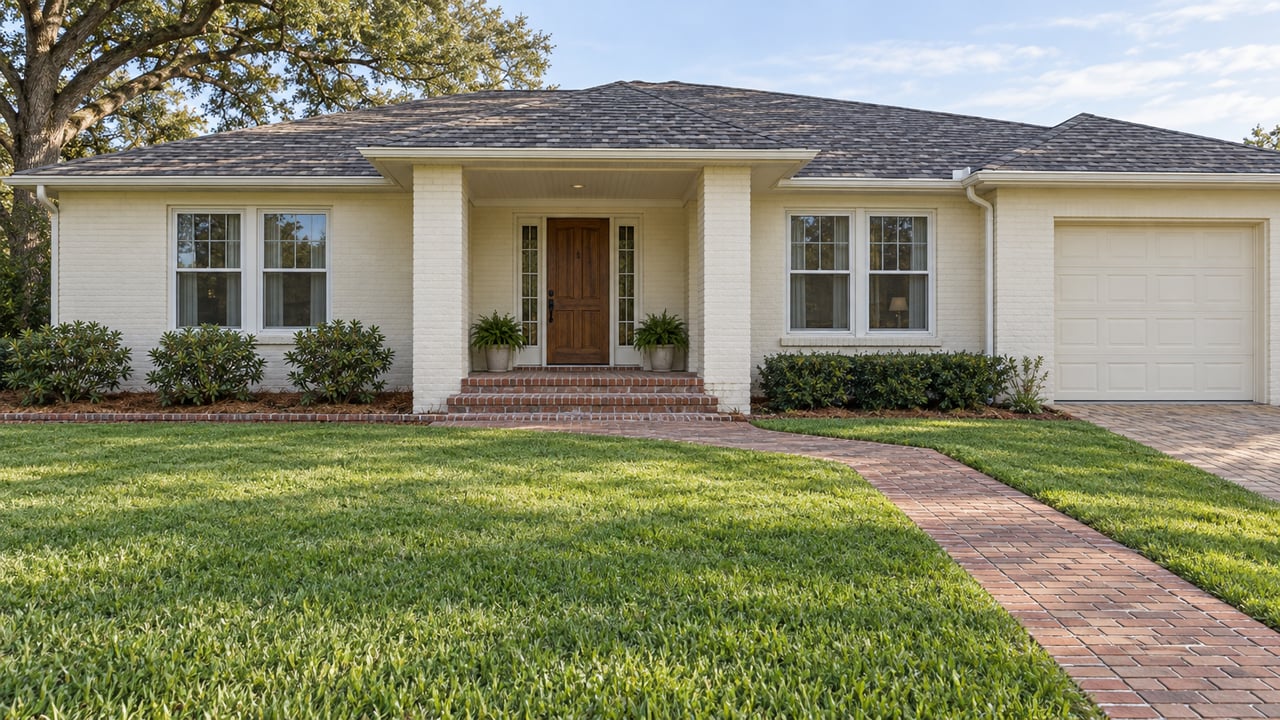
These are age-restricted neighborhoods where you own the home and the lot. An HOA typically manages community standards and amenities. Some include exterior maintenance, while others leave that to you. You finance these like traditional homes with conventional mortgages.
Active adult developments
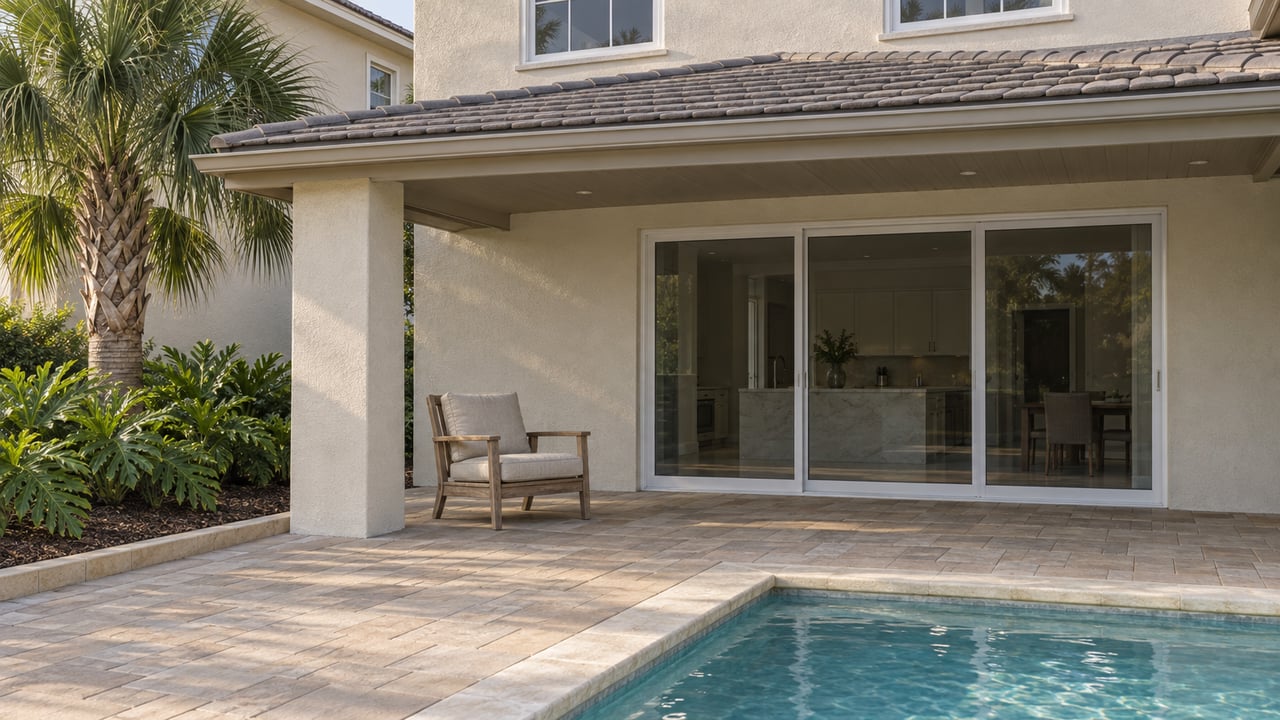
These communities range from low-fee neighborhoods to larger places with a clubhouse, pool, fitness room, and organized social events. More amenities often mean higher dues. Activity levels vary, so tour at different times to see how the community feels day to day.
Manufactured-home communities
Manufactured-home parks are common and can be budget-friendly. You’ll find two models:
- Owned-land: You own both the home and the lot. It sells like real estate.
- Lot-lease (park): You own the home but rent the lot from the park owner and pay monthly lot rent.
Key differences to note:
- Title and foundation affect financing and insurance. Homes not affixed to a permanent foundation may require different loan types.
- Lot rent can include some utilities or services. Read the lease to learn what is covered and how rent increases are handled.
- Parks may require buyer approval or have first-right-of-refusal rules.
HOA, lot rent, and what fees cover
Typical fee buckets
- HOA dues (deeded communities): Common-area upkeep, landscaping, pool or clubhouse, trash or recycling in some cases, management, and shared-area insurance.
- Lot rent (parks): The land site rental plus any included utilities or services. Exterior maintenance may or may not be included.
- Special assessments: Extra charges for major repairs or projects when reserves are low.
- Insurance: The HOA insures common areas. You still need your own home policy and, when applicable, flood and wind coverage.
Financial health checks
Ask for the current budget, recent financial statements, reserve study, and meeting minutes. Review the delinquency rate for dues. Look for a history of special assessments or rapid lot-rent increases. Clarify what the master insurance covers versus your responsibility.
Amenities and daily life
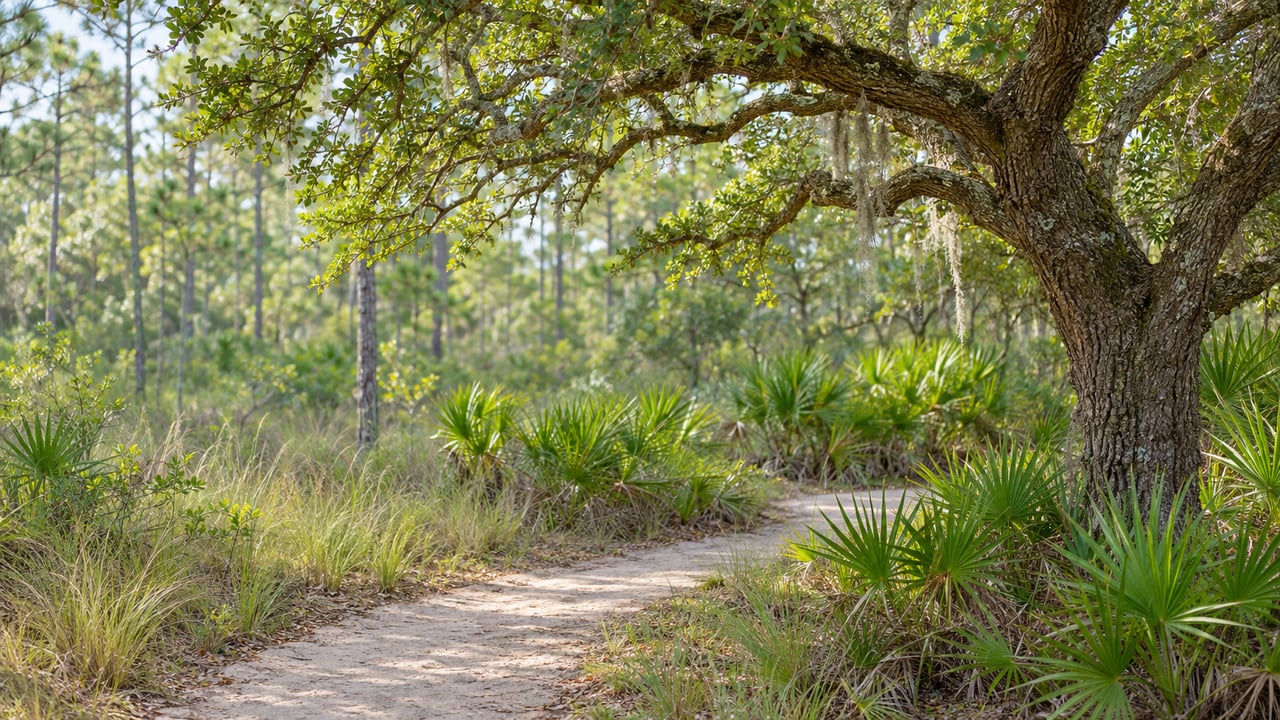
Communities with minimal amenities often have lower fees. Mid-level neighborhoods might offer a pool, clubhouse, basic fitness, and lawn care. Larger developments can include golf or robust social programming, which usually comes with higher dues. Expect active resident-led clubs like cards and games, arts and crafts, book clubs, and fitness classes. In the area, many residents enjoy walking, bird-watching, and visits to local parks and historic sites.
Transportation options are limited in many suburban and rural parts of Florida. Most residents rely on personal vehicles, family support, community vans, or county elder programs. When touring, check proximity to grocery stores, pharmacies, clinics, and emergency services.
Manufactured-home must-knows
Condition and inspection focus
Look closely at the foundation, tie-downs, and anchoring system. Confirm roof age and condition, skirting, HVAC age, plumbing, and electrical. Request the HUD plate or serial number to confirm the build year and code compliance. Check for moisture, termite issues, and permits for additions.
Financing basics
If the home sits on a leased lot or lacks a permanent foundation, you may need a chattel loan, which often has higher rates and shorter terms. Real-estate mortgages generally require a permanent foundation and proper title conversion to real property. Certain VA, FHA, or reverse mortgage programs can apply if eligibility standards are met.
Insurance and hazard risk
In Florida, windstorm and hurricane coverage can carry higher deductibles, especially for older manufactured homes. Flood insurance is based on FEMA mapping and lender requirements, but many owners choose it regardless of zone. Confirm what the park or HOA insures and what you must insure.
Smart questions to ask on tours
Bring this list to each showing:
- What services are covered by the HOA dues or lot rent, and what are my out-of-pocket utilities?
- How often and by how much have dues or lot rent increased over the last 3 to 5 years?
- What is the current reserve funding level, and have there been special assessments?
- Who manages the community, and who handles emergencies after hours?
- What are the age-verification and occupancy rules, and how is HOPA compliance maintained?
- What are the pet, parking, guest, and rental policies?
- Are there any pending lawsuits or major capital projects?
- What does the master insurance cover, and what must I insure myself?
- Is the home in a flood zone, and has the property had drainage issues?
- For manufactured homes: Is the home on a permanent foundation? Who maintains skirting and tie-downs? What is the history of lot-rent increases?
- What is the resale process and any transfer or approval requirements?
Due diligence and local resources
Before you write an offer, request the CC&Rs, bylaws, rules, budget, reserve study, insurance declarations, and recent board minutes. For manufactured homes, review the lot lease, park rules, rent history, and confirmation of HUD labels and title status. Verify recorded documents, permits, and tax exemptions with Pasco County offices. If you need more support, explore resources from Florida’s elder services organizations and HUD on manufactured housing.
Key trade-offs and red flags
- Low reserves or repeated special assessments can signal financial stress.
- Rapid lot-rent increases can strain budgets in lot-lease parks.
- Older manufactured homes without permanent foundations can be harder to finance and insure.
- Flood-prone areas or unpermitted additions raise risk.
- Rules that feel too strict or loosely enforced can hurt day-to-day satisfaction.
- Distance to medical care matters; map your routine drives before committing.
How Jeniz Homes can help
Choosing the right 55+ fit should feel clear and calm. You deserve a guide who explains ownership types, reviews documents, coordinates inspections, and keeps your budget and lifestyle front and center. With experience across Pasco County’s deeded, active-adult, and manufactured-home options, you get patient guidance and a streamlined path from search to closing.
Ready to explore communities or sell your current home with confidence? Reach out to Jennifer Zahoranski, PA for local insight and attentive, end-to-end support.
FAQs
What does a “55+ community” mean in Florida?
- It is housing designed for older persons under federal HOPA rules, which generally require at least one person age 55 or older in at least 80% of occupied units, plus age-verification policies.
How do HOA fees compare with lot rent in Dade City?
- HOA dues fund shared amenities and maintenance in deeded communities, while lot rent pays for the land site in a park and may include some utilities; amounts vary by community and services.
Can you finance a manufactured home in a 55+ park?
- If the land is leased or the home is not on a permanent foundation, you may need a chattel loan; real-estate mortgages usually require a permanent foundation and proper title setup.
How close are 55+ communities in Dade City to medical care?
- Proximity varies; many residents drive to larger Pasco or Tampa Bay facilities for hospitals or specialists, so map your typical routes when touring communities.
What should you bring or ask during a 55+ home tour?
- Bring a checklist for fees, reserves, rules, insurance coverage, pet and guest policies, and for manufactured homes, foundation and tie-down details, lease terms, and rent-increase history.