Thinking about a move to Wesley Chapel and curious what life is really like inside a master-planned community? You’re not alone. With so many neighborhoods offering trails, resort-style pools, dog parks, and busy clubhouses, it can feel hard to compare what matters most. In this guide, you’ll get a simple, local breakdown of the amenities you’ll see, how they are funded, and what to check before you buy. Let’s dive in.
Why master-planned in Wesley Chapel
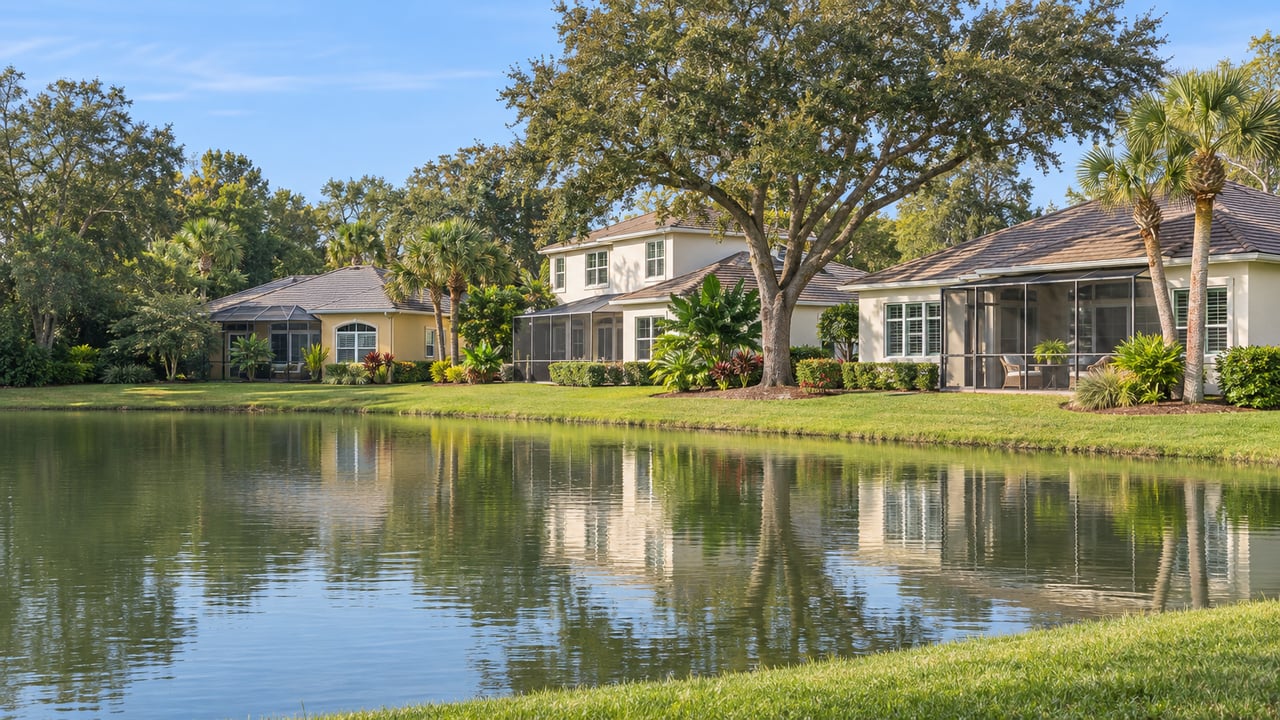
Wesley Chapel has grown quickly over the past decade, and many neighborhoods are designed as “all-in-one” communities. You’ll find homes alongside parks, retail, and amenity hubs that make daily life convenient. Amenities are usually maintained by a homeowners association, a master association, and in many cases a Community Development District.
Larger developments can have layered governance. That can mean a master HOA plus sub-associations for certain neighborhoods or home types. It is normal for rules and fees to vary from one section to another.
Trail networks and greenways
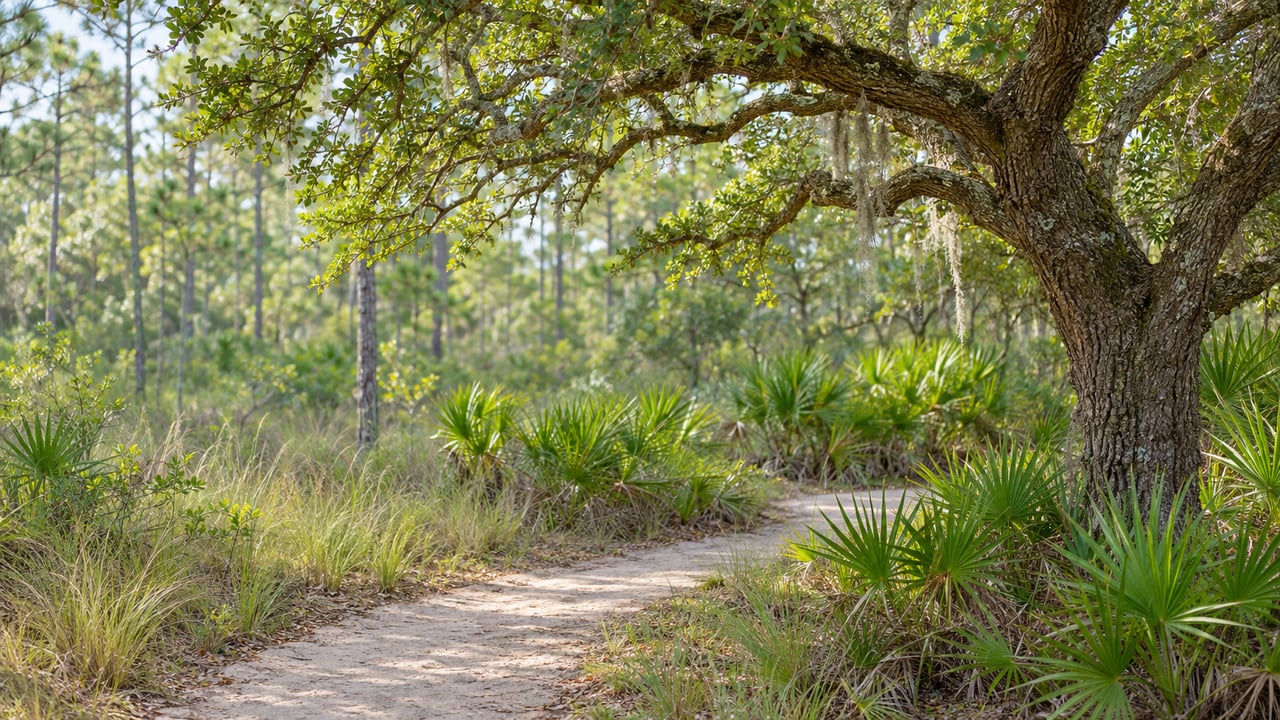
You’ll commonly see paved multi-use trails for walking, jogging, and biking. Some communities add nature paths, boardwalks, and connectors that link homes to parks or nearby shops. These trails provide safe, car-free routes as well as attractive green buffers.
Maintenance depends on who owns the trail. Trails inside private common areas are maintained by the association. Public trails are maintained by Pasco County or state agencies. Always check access hours, whether motorized vehicles are allowed, and if the paths connect to public systems.
What to verify about trails
- Is the trail public or private, and who maintains it?
- Are there posted hours or access rules?
- Do paths connect to county parks or schools?
- What is the current condition and lighting along key segments?
Pools and lagoon-style features
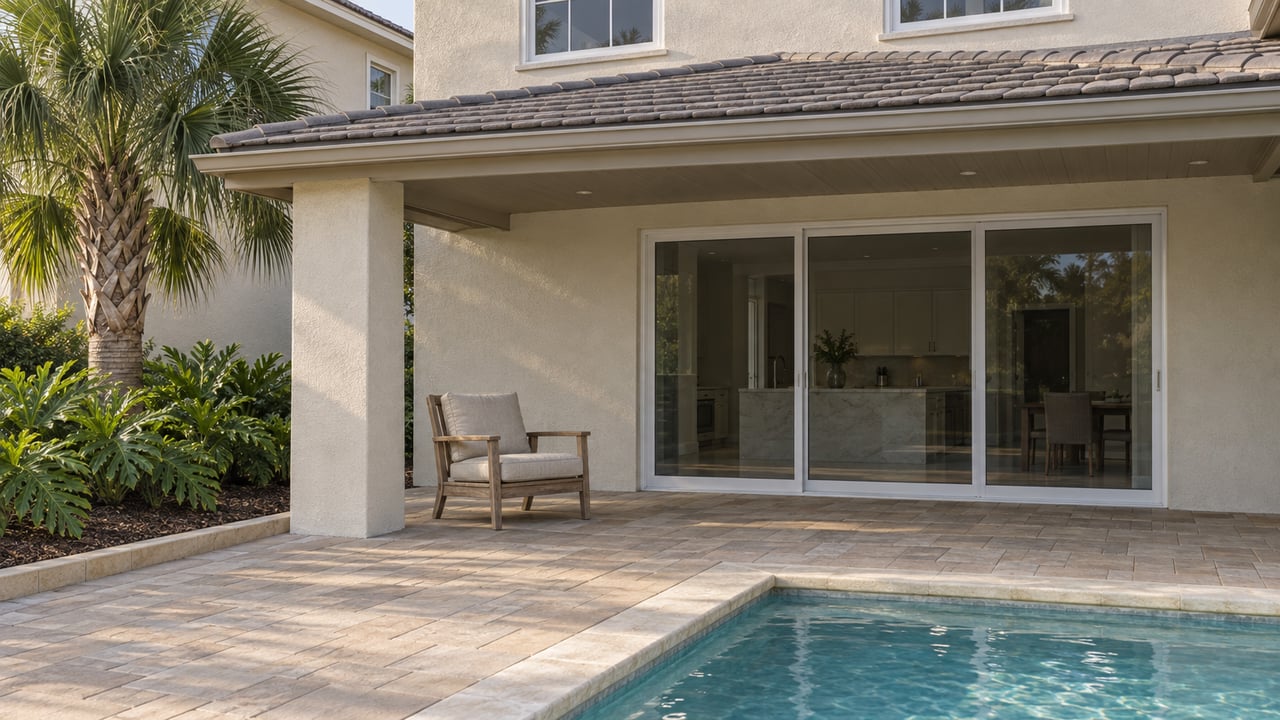
Many communities offer resort-style pools, lap lanes, splash pads, and cabanas. Some Wesley Chapel neighborhoods include large engineered freshwater lagoons with sandy beach areas. These are private amenities with rules that cover hours, guests, and equipment.
Lagoons use mechanical filtration and chemical treatment and often require specialized teams. That can raise operating costs for the association. Policies may include lifeguards during certain hours, designated swim zones, and rules for kayaks or paddleboards.
What to verify about pools and lagoons
- Hours, seasonality, and lifeguard coverage if any
- Guest policies and any guest fees
- Water testing and cleanliness protocols
- Rules for paddlecraft and whether rentals are available
Dog parks and pet perks
Many master-planned communities include fenced off-leash dog parks. You might see separate small- and large-dog areas, shade, benches, agility features, and waste stations. Some dog parks use turf while others use natural grass.
Rules vary by community. Check leash policies outside the dog park, vaccination and registration requirements, posted hours, and any limits on guests with pets. If you have specific needs, verify breed or size rules in the community documents.
Clubhouses and programming
Clubhouses often serve as the social heart of the community. Spaces may include fitness rooms, event halls, party kitchens, and game rooms. In larger developments, a lifestyle director coordinates classes, clubs, holiday events, and youth activities.
Staffing levels shape the experience. Some communities have on-site management, lifeguards, and maintenance crews. Others rely on part-time contractors or third-party vendors for fitness or food service.
Other popular amenities
You’ll frequently find tennis and pickleball courts, playgrounds, pocket parks, and fishing ponds. Some communities include community gardens or bike repair stations. Many developments sit near retail and services, which can boost day-to-day convenience.
Fees and assessments explained
Amenities are funded through association fees and, in many Florida communities, a Community Development District. Understanding how these pieces fit together helps you plan your budget and avoid surprises later.
- HOA dues: Regular fees cover common-area upkeep, staffing, operations, landscaping, insurance, and reserves.
- Special assessments: One-time charges for major repairs or unexpected costs if reserves are not enough.
- Reserves: Funds set aside for long-term replacements such as roofs, pool equipment, or road work.
- CDD assessments: Some communities use CDDs to finance infrastructure and amenity construction. Debt service appears as a separate line on the annual property tax bill.
- Bundled services: Some HOAs include lawn care, basic cable or internet, or trash pickup for certain home types. Others do not.
What drives costs higher
Costs tend to rise with the complexity of amenities and staffing. Large lagoons and busy amenity centers typically require more employees, testing, and equipment. Insurance can also be higher for communities with expansive water features and large gathering spaces.
Florida’s storm risk is another factor. Strong planning and reserves help communities recover from major weather events. The age of the infrastructure also matters, since older facilities may need more frequent repairs.
What to check before you buy
Before you write an offer, review financials, rules, and upcoming projects. This step helps you confirm the lifestyle, the budget, and the long-term plan all make sense for you.
- HOA budget and audited financials from the last 2–3 years
- Reserve study and current reserve balances
- Board meeting minutes for signs of planned assessments or major repairs
- CC&Rs, bylaws, and rules for hours, guests, pets, rentals, and parking
- Insurance policies to understand the master policy versus owner responsibilities
- CDD disclosure, annual assessment amount on the tax bill, and years remaining
- Any recorded liens or ongoing litigation
Lifestyle fit questions
Amenities only matter if you use them. Think through how you live day to day and what will bring value to your routine.
- How often will you use trails, pools, or the dog park?
- Do guest policies fit how you host friends and family?
- Is there programming that matches your interests or schedule?
- For households with children, are there programs and safe access to play areas?
- For pet owners, are the routes and facilities convenient to your home?
Site visit checklist
Walk the community at different times of day and during a weekend if possible. You’ll see how the amenities function in real life.
- Inspect trail surfaces, lighting, and wayfinding signs
- Check pool and lagoon cleanliness, shade, seating, and staffing
- Visit the dog park and note size, shade, and water availability
- Look for parking availability at amenity hubs
- Read posted rules at each facility and observe overall upkeep
How a local advisor helps
You deserve clear answers on lifestyle, rules, and costs before you commit. A local, hands-on agent can help you request and review HOA and CDD disclosures, spot cost drivers, and compare similar neighborhoods side by side. You’ll feel more confident knowing what you get for the fees you pay.
If you’re exploring Wesley Chapel master-planned living and want a friendly, thorough guide to your options, reach out to Jennifer Zahoranski, PA. Together, we’ll zero in on the right amenities, the right budget, and the right fit for your life.
FAQs
What are CDDs in Wesley Chapel communities?
- A Community Development District helps fund infrastructure and amenities, and the debt service typically appears as a separate line on your annual property tax bill.
Are lagoon amenities open to the public or residents only?
- Access policies vary by community, but many large lagoons in Wesley Chapel are private to residents with posted hours, guest rules, and equipment guidelines.
How are HOA dues used in amenity-rich neighborhoods?
- Dues commonly cover common-area maintenance, amenity operations, staffing, insurance, landscaping, and contributions to reserve funds for future replacements.
What should I review before buying into a master-planned HOA?
- Ask for budgets, audited financials, reserve studies, meeting minutes, governing documents, insurance coverage details, and any planned assessments or capital projects.
Do communities include services like lawn care or internet in the fees?
- Some do bundle services for certain home types, while others keep them separate, so always confirm exactly what is included in the dues where you are buying.
How can I estimate my total monthly housing cost in these neighborhoods?
- Combine your mortgage, insurance, and taxes with all association dues and any CDD assessment shown on the tax bill, then add utilities and any bundled service costs.